by lanyon | Jul 7, 2024 | Latest News, Local Area
Introduction
Cornwall, a picturesque county in the southwest of England, is renowned not only for its stunning landscapes and charming villages but also for its unique and delectable cuisine. Cornish food reflects the region’s rich history, maritime culture, and bountiful natural resources. This blog will take you on a culinary journey through Cornwall, highlighting must-try dishes and local specialties that define Cornish gastronomy.
- The Iconic Cornish Pasty
No exploration of Cornish food is complete without mentioning the iconic Cornish pasty.
- What is it? A Cornish pasty is a baked pastry traditionally filled with beef, potatoes, swede (rutabaga), and onions, seasoned with salt and pepper.
- History: Originally a convenient and hearty meal for miners, the pasties thick crust served as a handle that could be discarded after eating, keeping the filling free from dirt.
- Where to try it: Many bakeries and pasty shops throughout Cornwall offer fresh, handmade pasties. Some of the best places include Philp’s Bakery in Hayle and Ann’s Pasties in Helston.
- Fresh Seafood
Cornwall’s extensive coastline provides a rich bounty of seafood, making it a haven for seafood lovers.
- Popular Dishes:
- Cornish Crab: Sweet and succulent, Cornish crab is often served simply with lemon and butter or in a fresh crab sandwich.
- Mussels and Oysters: Found in abundance, Cornish mussels and oysters are best enjoyed fresh, often steamed or served on the half shell.
- Fish and Chips: A British classic, fish and chips in Cornwall is a must-try, with locally caught fish like cod, haddock, or hake.
- Where to try it: The Fish House in Newquay and Porthminster Beach Café in St Ives are known for their exceptional seafood dishes.
- Cornish Cream Tea
Indulge in a traditional Cornish cream tea, a delightful afternoon treat.
- What is it? A cream tea consists of freshly baked scones, Cornish clotted cream, and strawberry jam, served with a pot of tea.
- How to eat it: The Cornish way is to split the scone, spread the jam first, and then add a generous dollop of clotted cream on top.
- Where to try it: Many tearooms across Cornwall offer cream tea, but some of the best can be found at The Tea Room at Trelissick Gardens and the Fowey Hall Hotel.
- Cornish Cheese
Cornwall produces a variety of artisanal cheeses that showcase the region’s dairy farming heritage.
- Popular Varieties:
- Cornish Yarg: Wrapped in nettles, this semi-hard cheese has a distinct, slightly tangy flavour.
- Cornish Blue: A creamy blue cheese with a mild, sweet taste.
- Where to try it: Visit local farmers’ markets or cheese shops like The Cheese Shop in Truro or the Cornish Cheese Co. in Liskeard.
- Hearty Stews and Soups
Cornish cuisine includes hearty dishes perfect for cooler weather.
- Stargazy Pie: A traditional Cornish dish made with pilchards (sardines), eggs, and potatoes, with the fish heads poking through the crust, “gazing” at the stars.
- Cornish Fish Stew: A flavourful stew made with a variety of fresh fish, shellfish, and vegetables, often seasoned with herbs and spices.
- Where to try it: The Star & Garter in Falmouth and The Seafood Restaurant in Padstow are known for their excellent takes on traditional Cornish dishes.
- Cornish Ice Cream
Cornwall’s dairy farms produce some of the creamiest ice cream you’ll ever taste.
- Popular Flavors: Traditional flavours like vanilla and strawberry are popular, but many local producers also offer unique flavours featuring Cornish ingredients.
- Where to try it: Roskilly’s and Callestick Farm are two renowned Cornish ice cream producers with parlours where you can sample their delicious creations.
- Local Beverages
Pair your Cornish meal with a local beverage for a complete experience.
- Cornish Cider: Cornwall produces some excellent ciders, made from locally grown apples. Popular brands include Healey’s Cornish Cyder and Cornish Orchards.
- Cornish Ales: Try local ales and beers from breweries like St Austell Brewery and Sharp’s Brewery.
- Cornish Gin: Cornwall is also known for its artisanal gins, such as Tarquin’s Cornish Gin and Curio Spirits.
- Where to try it: Many pubs and bars across Cornwall offer a selection of local drinks. The Watering Hole in Perranporth and The Front in Falmouth are great places to start.
Conclusion
Cornish cuisine offers a rich tapestry of flavours and traditions, reflecting the region’s unique cultural heritage and natural resources. From the Savoury Cornish pasty to the sweet delight of a cream tea, and the fresh seafood to the hearty stews, there’s something to satisfy every palate. When visiting Cornwall, be sure to embark on a culinary adventure and savour the best that this beautiful county has to offer.
Feel free to reach out if you need more detailed recommendations or specific dining suggestions for your trip to Cornwall. Enjoy your culinary journey!
by lanyon | Jun 7, 2024 | Dog Friendly, Family Friendly, Local Area
Introduction
St Ives, a picturesque town nestled on the north coast of Cornwall, is a haven for artists, beach lovers, and adventurers alike. Known for its golden beaches, vibrant art scene, and charming cobbled streets, St Ives offers a perfect blend of natural beauty and cultural richness. This blog will guide you through the best experiences and attractions that St Ives has to offer, ensuring an unforgettable visit to this coastal gem.
- Arriving in St Ives
Getting to St Ives is an adventure in itself, with stunning landscapes along the way.
- By Car: Driving to St Ives offers the flexibility to explore the surrounding areas. The A30 is the main route into Cornwall, leading to the A3074 into St Ives. Be prepared for narrow streets and limited parking in the town centre.
- By Train: The train journey to St Ives is one of the most scenic in the UK. The St Ives Bay Line from St Erth provides breathtaking views of the coastline.
- By Bus: Regular bus services connect St Ives with other major towns in Cornwall, making it an accessible destination.
- Beaches and Outdoor Activities
St Ives is renowned for its stunning beaches and outdoor activities that cater to all interests.
- Porthmeor Beach: A favourite among surfers, Porthmeor Beach boasts great waves and a lively atmosphere. It’s also perfect for sunbathing and swimming.
- Porthminster Beach: Known for its golden sands and calm waters, Porthminster Beach is ideal for families and those looking to relax. The nearby Porthminster Beach Café offers delicious food with a view.
- Carbis Bay: A short walk from St Ives, Carbis Bay is a tranquil spot with crystal-clear waters, perfect for swimming and paddleboarding.
- Coastal Walks: The South West Coast Path offers spectacular walks with views of the rugged coastline. The walk from St Ives to Zennor is particularly popular, offering stunning scenery and the chance to spot wildlife.
- Art and Culture
St Ives has a rich artistic heritage, attracting artists from around the world.
- Tate St Ives: This renowned gallery showcases contemporary art and exhibitions inspired by the local landscape. Its rooftop terrace provides panoramic views of the sea.
- Barbara Hepworth Museum and Sculpture Garden: Explore the works of one of Britain’s most famous sculptors in her former home and studio. The garden is a serene space filled with Hepworth’s sculptures.
- Leach Pottery: Founded by Bernard Leach, this historic pottery studio is still in operation today. Visitors can learn about the pottery-making process and view exhibitions.
- Dining and Local Cuisine
St Ives offers a variety of dining options, from casual beachside cafés to fine dining restaurants.
- The Seafood Café: Known for its fresh seafood, this restaurant allows diners to choose their own fish and have it cooked to order.
- Porthminster Beach Café: Located right on the beach, this café offers stunning views and a menu featuring local produce and seafood.
- Blas Burgerworks: For a more casual dining experience, Blas Burgerworks offers delicious gourmet burgers made with locally sourced ingredients.
- Cornish Cream Tea: No visit to St Ives is complete without indulging in a traditional Cornish cream tea. Many local tearooms offer freshly baked scones with clotted cream and jam.
- Shopping and Markets
St Ives is home to a variety of unique shops and markets, perfect for finding souvenirs and local crafts.
- Fore Street: This bustling street is lined with boutique shops, art galleries, and local crafts stores. It’s the perfect place to find unique gifts and souvenirs.
- St Ives Farmers’ Market: Held every Thursday, this market offers a range of local produce, from fresh vegetables and fruits to handmade crafts and baked goods.
- Historical Sites
Discover the rich history of St Ives through its historical landmarks and sites.
- St Ia’s Church: This beautiful parish church, dedicated to the Irish saint Ia, features stunning architecture and a tranquil atmosphere.
- Smeaton’s Pier: A historic pier offering lovely views of the harbor and town, perfect for a leisurely stroll.
- The Island: Despite its name, The Island is a grassy headland with panoramic views. It’s home to St Nicholas Chapel, a small but charming historic building.
- Festivals and Events
St Ives hosts a variety of festivals and events throughout the year, celebrating its artistic and cultural heritage.
- St Ives September Festival: A two-week celebration of music, arts, and culture, featuring performances, workshops, and exhibitions.
- St Ives Food and Drink Festival: Held in May, this festival showcases the best of Cornish cuisine with food stalls, cooking demonstrations, and live music.
- New Year’s Eve: St Ives is famous for its lively New Year’s Eve celebrations, with fireworks, costumes, and festivities throughout the town.
Conclusion
St Ives is a captivating destination that offers a perfect blend of natural beauty, cultural richness, and vibrant local life. Whether you’re exploring its stunning beaches, immersing yourself in its art scene, or savouring delicious local cuisine, St Ives promises an unforgettable experience. Plan your visit to this coastal gem and discover the many treasures that await in Cornwall’s beloved town.
by lanyon | May 9, 2024 | Local Area
Introduction
Cornwall, known for its picturesque landscapes and rugged coastline, also boasts a rich mining heritage that has profoundly shaped its history and culture. From ancient times to the industrial revolution and beyond, mining has played a pivotal role in Cornwall’s development. This blog delves into the fascinating history of Cornish mining, exploring its evolution, key sites, and lasting legacy.
- Ancient Beginnings
The roots of Cornish mining extend back to prehistoric times.
- Early Mining: Evidence of tin mining in Cornwall dates back to around 2000 BC. The region’s rich deposits of tin and copper made it a significant area for early metal extraction.
- Bronze Age: During the Bronze Age, Cornish tin was a critical component in the production of bronze, a key technological advancement of the time.
- Roman and Medieval Mining
The mining industry continued to develop through Roman and medieval periods.
- Roman Influence: The Romans recognized the value of Cornwall’s mineral wealth and established tin and copper mining operations, exporting these metals across their empire.
- Medieval Period: During the medieval period, mining techniques improved, and Cornwall’s miners became highly skilled. Tin streaming, a method of extracting tin from riverbeds, was widely used.
- The Industrial Revolution
The 18th and 19th centuries marked the height of Cornwall’s mining industry.
- Technological Advancements: The industrial revolution brought significant technological advancements to Cornish mining. The introduction of steam engines, invented by Cornish engineer Richard Trevithick, revolutionized the industry.
- Deep Mining: Innovations allowed miners to extract ore from much deeper underground. Cornwall became a world leader in mining technology and engineering.
- Boom Period: During this period, Cornwall was one of the most important mining regions in the world, producing vast quantities of tin, copper, and other minerals. Towns like Redruth and Camborne thrived as mining hubs.
- Decline and Global Influence
The late 19th and early 20th centuries saw a decline in Cornish mining.
- Economic Factors: The discovery of tin and copper deposits in other parts of the world, such as South America and Australia, led to a decline in the profitability of Cornish mines.
- Migration: Many Cornish miners emigrated to other countries, taking their expertise with them. This diaspora spread Cornish mining technology and culture globally.
- Modern Legacy: Despite the decline, the influence of Cornish mining can still be seen today. Many former miners’ descendants continue to work in the global mining industry.
- Key Mining Sites and Attractions
Cornwall is home to several historic mining sites and attractions that offer a glimpse into its rich mining heritage.
- Geevor Tin Mine: Located near Pendeen, Geevor Tin Mine is one of the largest preserved mine sites in the UK. Visitors can explore the underground workings and learn about the life of Cornish miners.
- Levanto Beam Engine: This impressive beam engine, located near St Just, is one of the best-preserved examples of a Cornish beam engine, used to pump water from the mines.
- Wheal Martyn: An open-air museum near St Austell, Wheal Martyn provides insights into the china clay mining industry, which also played a significant role in Cornwall’s economy.
- Cornish Mining World Heritage Sites: Cornwall and West Devon Mining Landscape has been designated a UNESCO World Heritage Site. Key locations include the Tamar Valley, St Agnes, and the Luxulyan Valley.
- Cultural Impact
Mining has left an indelible mark on Cornish culture and identity.
- Language and Folklore: Cornish mining history is reflected in local language, folklore, and place names. Stories of miners and their superstitions, such as the legendary Knockers (mythical creatures believed to inhabit mines), are part of Cornwall’s rich oral tradition.
- Music and Festivals: Mining songs and ballads remain popular, and festivals like the Camborne Trevithick Day celebrate the region’s engineering heritage.
- Art and Literature: Cornwall’s mining past has inspired numerous works of art and literature, capturing the industry’s hardships and triumphs.
Conclusion
Cornwall’s mining history is a testament to human ingenuity, resilience, and the enduring spirit of the Cornish people. From ancient beginnings to global influence, the legacy of mining has shaped the region’s landscape, culture, and identity. Today, visitors to Cornwall can explore this fascinating history through its preserved mines, museums, and cultural sites, gaining a deeper appreciation for the region’s rich heritage.
by lanyon | May 7, 2024 | Latest News, Local Area
Essential Items to Bring to the Beach in Cornwall
Introduction
Cornwall's breathtaking beaches are among the best in the UK, offering golden sands, crystal-clear waters, and dramatic coastal scenery. To ensure you make the most of your beach day, it's important to pack wisely. Here’s a comprehensive guide to the essential items you should bring for a perfect beach outing in Cornwall.
- Sun Protection
Protecting yourself from the sun’s harmful rays is crucial when spending time on the beach.
- Suncream: Choose a broad-spectrum suncream with a high SPF rating. Apply generously and reapply every two hours or after swimming.
- Hat: A wide-brimmed hat provides shade for your face, neck, and ears.
- Sunglasses: Wear UV-protective sunglasses to shield your eyes from glare and harmful rays.
- Beach Umbrella or Tent: Create your own shade with a beach umbrella or pop-up tent, perfect for resting out of direct sunlight.
- Swim and Surf Gear
Enjoy Cornwall’s beautiful waters with the right gear.
- Swimsuits: Bring comfortable and durable swimsuits. Consider packing a spare set if you plan on swimming multiple times.
- Wetsuits: For cooler days or extended time in the water, a wetsuit can keep you warm.
- Towels: Pack large, absorbent beach towels for drying off and lounging on the sand.
- Snorkeling Gear: Explore the underwater world with a mask, snorkel, and fins.
- Surfboards or Bodyboards: Take advantage of Cornwall’s famous surf spots with your own board or rent one locally.
- Comfort and Convenience
Ensure a comfortable and hassle-free beach experience with these essentials.
- Beach Blanket: A large, sand-resistant blanket provides a comfortable spot to relax.
- Beach Chairs: Foldable beach chairs offer a comfortable place to sit and enjoy the view.
- Cooler: Keep your drinks and snacks cool with an insulated cooler. Pack plenty of ice packs or frozen water bottles.
- Reusable Water Bottle: Stay hydrated by bringing a refillable water bottle. Many beaches have water fountains where you can refill.
- Entertainment
Make your beach day fun and engaging with these items.
- Books and Magazines: Bring along some reading material for relaxation.
- Beach Games: Pack games like beach volleyball, frisbee, or paddleball for active fun.
- Portable Speaker: Enjoy your favorite tunes with a waterproof, sand-resistant portable speaker.
- Sand Toys: If you’re traveling with kids, bring buckets, spades, and other sandcastle-building tools.
- Safety and Health
Stay safe and healthy during your beach visit.
- First Aid Kit: A basic first aid kit with band-aids, antiseptic wipes, and pain relievers can handle minor injuries.
- Water Shoes: Protect your feet from sharp rocks and hot sand with water shoes.
- Insect Repellent: Keep bugs at bay, especially in the evening, with a good insect repellent.
- Hand Sanitizer: Maintain hygiene with hand sanitizer, especially before eating.
- Environmental Care
Respect the natural beauty of Cornwall’s beaches by being environmentally conscious.
- Bin Bags: Bring bags to collect and carry out all your waste.
- Reusable Containers: Use reusable containers for snacks and drinks to reduce plastic waste.
- Biodegradable Soap: If you need to rinse off, use biodegradable soap to minimize environmental impact.
Conclusion
Cornwall’s beaches are a paradise for sunbathers, swimmers, and surfers alike. By packing these essential items, you’ll be well-prepared for a comfortable, enjoyable, and environmentally friendly beach day. Whether you're looking to relax, play, or explore, make the most of your time on Cornwall’s stunning shores. Happy beach-going!
by lanyon | Jan 7, 2024 | Family Friendly, Latest News, Local Area
Camping in Cornwall
Beneath the sky where seagulls soar,
By cliffs that guard the ocean's roar,
In Cornwall’s heart where dreams are spun,
We pitch our tents as day is done.
The crackling fire, a beacon bright,
Its dancing flames bring warmth and light,
We gather close with hearts aglow,
In Cornwall’s embrace, we feel the flow.
Stars emerge in a velvet sky,
Diamonds on the night's dark tie,
Their twinkle mirrors in the sea,
A dance of ancient mystery.
The scent of brine, the earth’s sweet musk,
The song of waves, the gentle dusk,
A lullaby that nature sings,
As peace and quiet Cornwall brings.
The morning breaks with golden beams,
We wake from soft and restful dreams,
With hearts refreshed and spirits high,
Beneath the bright Cornish sky.
Through meadows green and cliffs so grand,
We wander hand in loving hand,
Exploring paths where legends lay,
In Cornwall’s light, we find our way.
And as the sun sets in the west,
We gather ‘round, our souls at rest,
In Cornwall’s magic, wild and free,
We find a part of you and me.
So here we camp, in nature’s hold,
In stories new and tales of old,
In Cornwall, where the wild waves kiss,
We find our peace, our perfect bliss.
by Laurels Holiday Park | Jul 2, 2020 | Dog Friendly, Family Friendly, Local Area
Welcome back to Lanyon Holiday Park
We are looking forward to welcoming you back for the start of our summer season here at Lanyon Holiday Park. There are a lot of changes in the county this summer with various restrictions in place due to the Coronavirus pandemic but, we wanted to share some of the things we loved most that you can still fill your time with while visiting Cornwall.
Beautiful Beaches
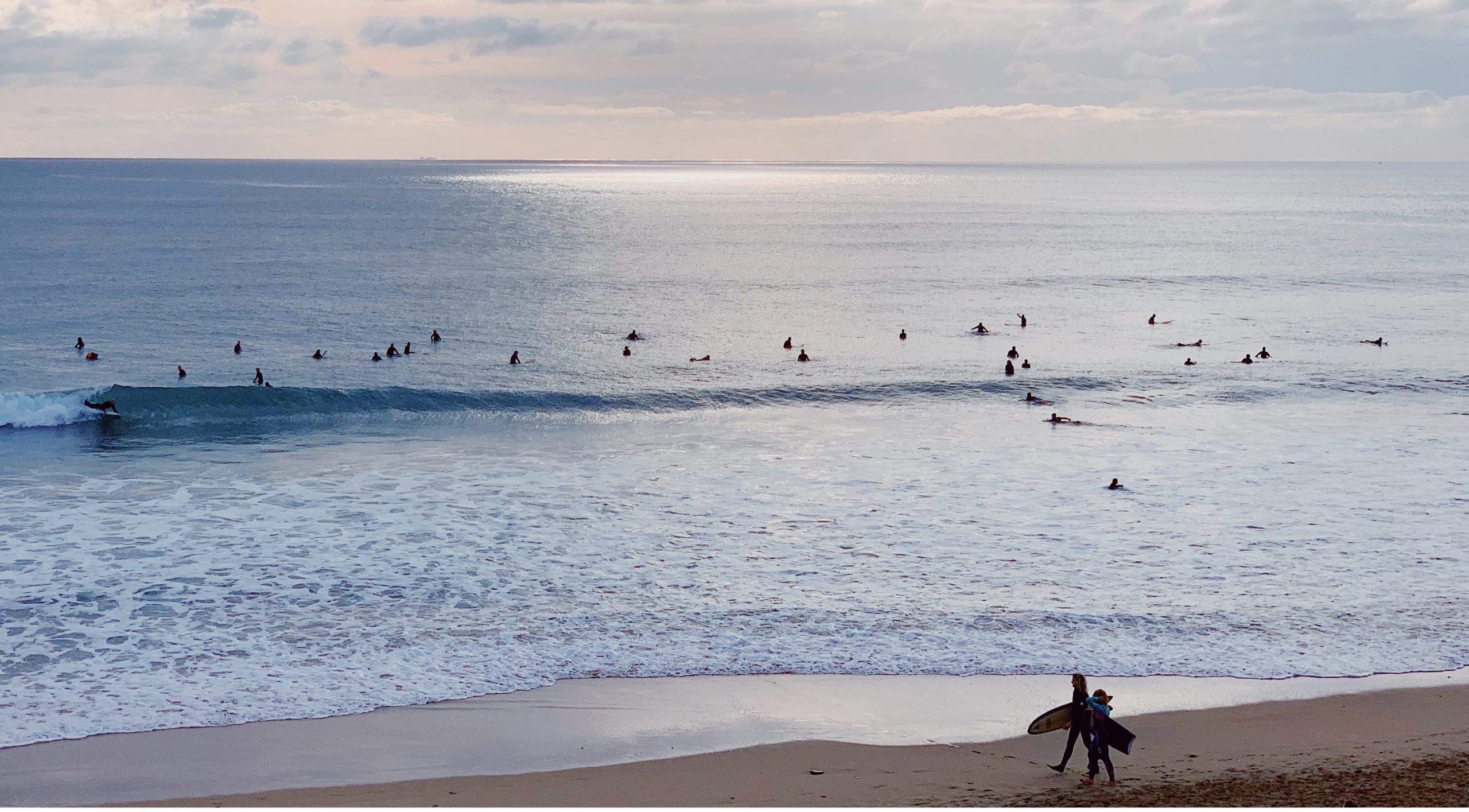
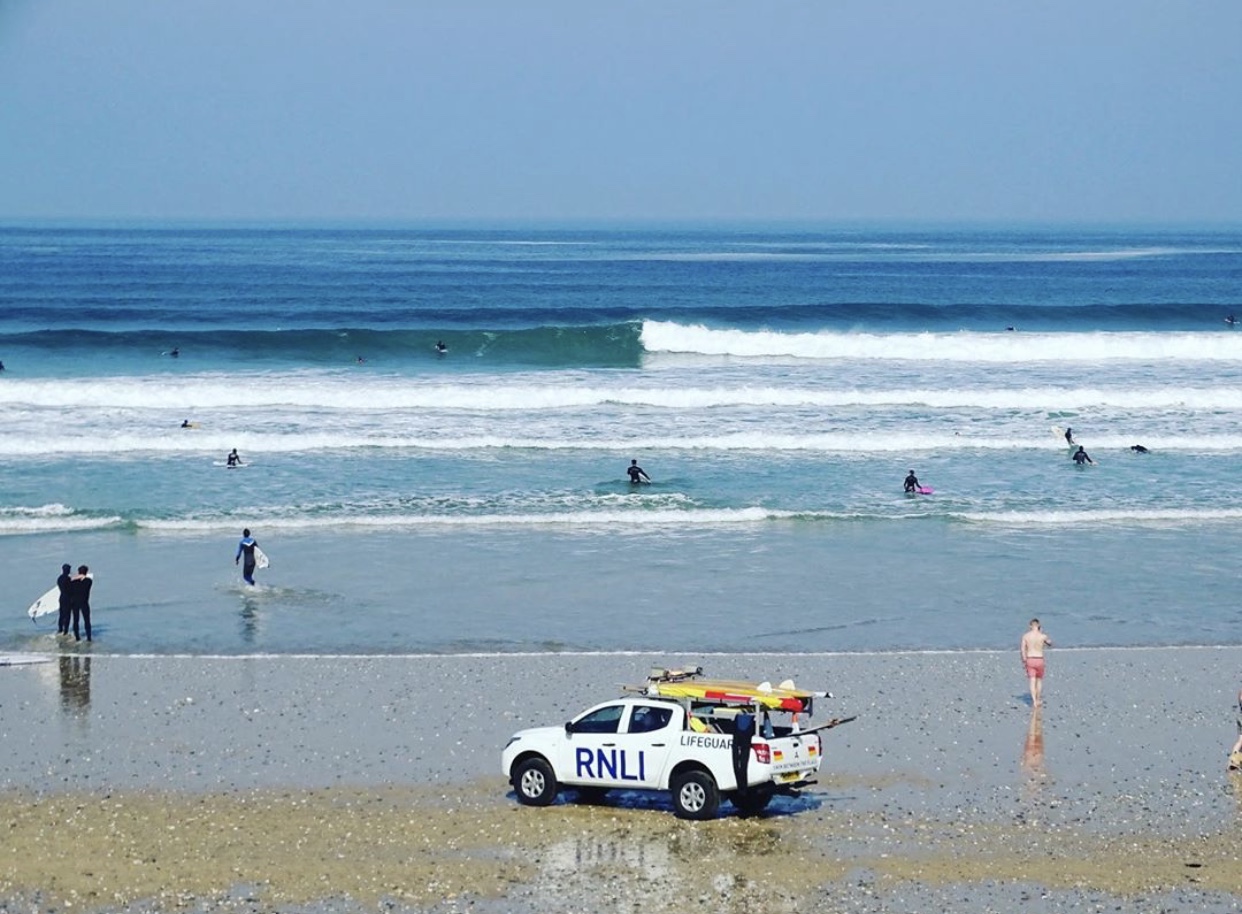
Of course, the beaches here in Cornwall are often the main attraction for visitors and we understand why - they’re beautiful! Below you will find a link to the RNLI webpage about what beaches are currently manned by lifeguards. Remember to always respect the sea and any rules that are put in place to keep you safe. Please also remember to take your rubbish home with you to keep the coast looking beautiful and the marine life healthy.
Check lifeguard patroled beaches here: https://rnli.org/find-my-nearest/beaches-with-lifeguards-on-patrol
Amazing Food
How we have missed all of the wonderful food Cornwall has to offer. Although some establishments are now starting to open back up with many restrictions on booking, seating and ordering, a safe bet is the humble takeaway. Here are our top picks for food to go that you can get your hands on from independent businesses within walking distance to a good view. Flour Power Pizza - These guys provide the most wonderful stone-fired pizzas from their colourful pizza van! We usually visit them on a Thursday night outside of the Portreath Arms but please check their website for locations you can pick up pizza from other nights of the week. We like to walk down to the harbour and have ours overlooking the sea.
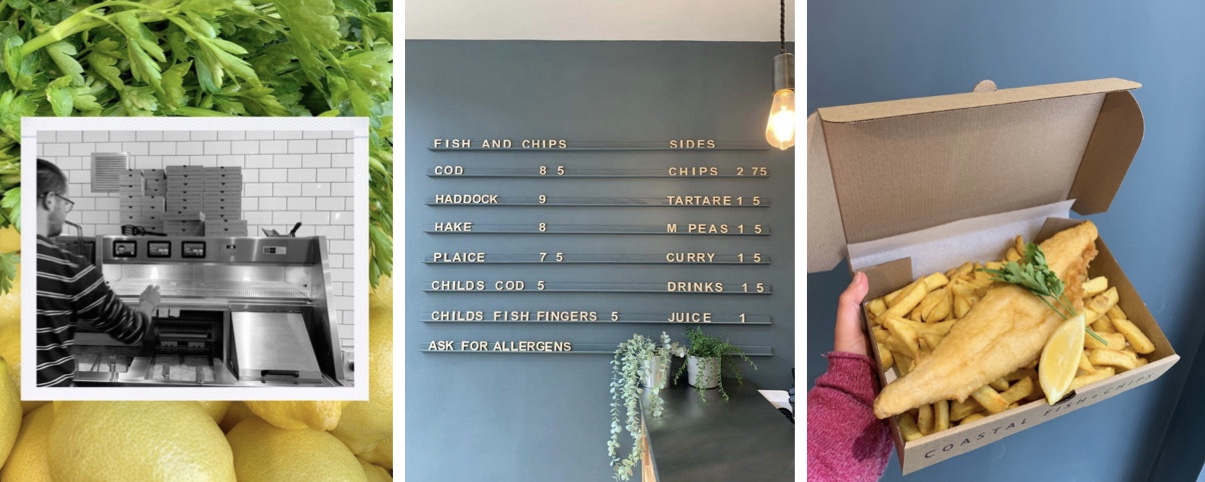
Sea Smiths Fish & Chips - A lovely little independent located in Porthtowan. These guys keep it pretty simple but the quality is amazing! Take your food down to the beach for the full Cornish fish & chips experience, just watch out for those pesky seagulls.
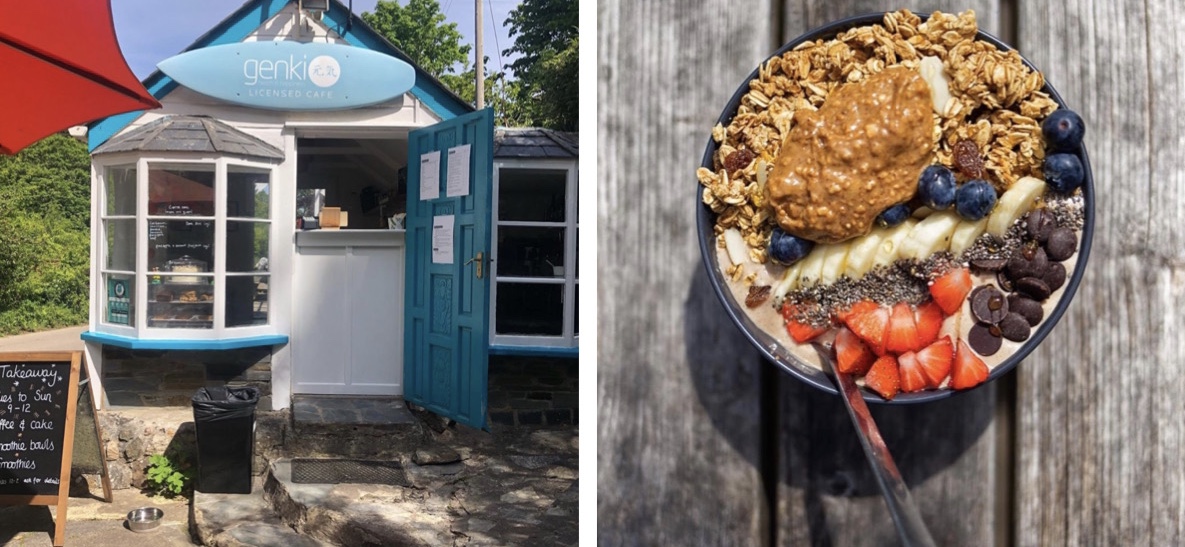
Genki - This is a new find for us here on the campsite but we love the wonderful breakfast options. Especially the selection of smoothie bowls, loaded waffles and great coffee. They are located in the heart of St Agnes which features many little shops to have a look around pre or post food.
Coastal Walks
Explore more of Cornwall by tackling the South West coast path. You can use this website: https://www.southwestcoastpath.org.uk/ to show you the full route as well as points that you can park along the way for shorter walks (we would recommend this as the full path, end to end is 630 miles long!) We like to walk from Portreath to Godrevey and back with a pit stop at Godrevey Beach Cafe for ice cream.

Views along South West coast path
Cornish Seal Sanctuary
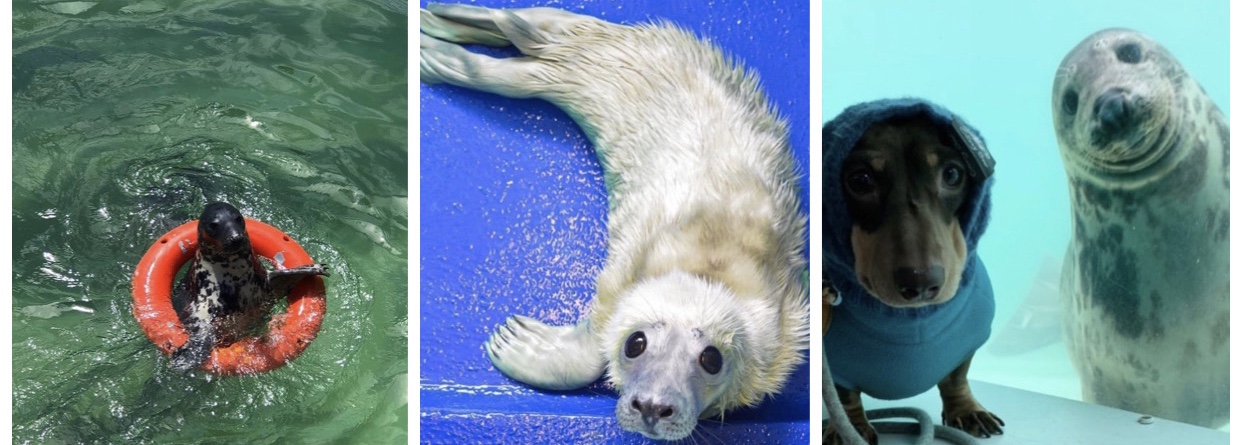
If you are looking for a fun-filled day out while being able to support a local charity, then check out the Cornish Seal Sanctuary, located just 9 miles from us here at Lanyon Holiday Park. They do amazing work in supporting our coastal wildlife in Cornwall, rescuing sick and injured seals with the hope of releasing them back into the wild. They rely heavily on the tourism trade to provide funding so with a shorted season due to the Coronavirus pandemic, they need all the support they can get from locals and wonderful tourists. Trust us, once you catch a glimpse of one of their many seals frolicking around, you’ll be glad you paid them a visit.
Relax
After a day of fun, unwind back at Lanyon Holiday Park with a barbeque, beer and fingers crossed, a stunning sunset.
We look forward to seeing you soon, let us know what you plan on getting up to when you visit Cornwall this summer.



Recent Comments